20 Evidence-Based Habits That Transformed My Life | A Science-Backed Habit Playbook
admin_tbl743x
The Better Life Lab
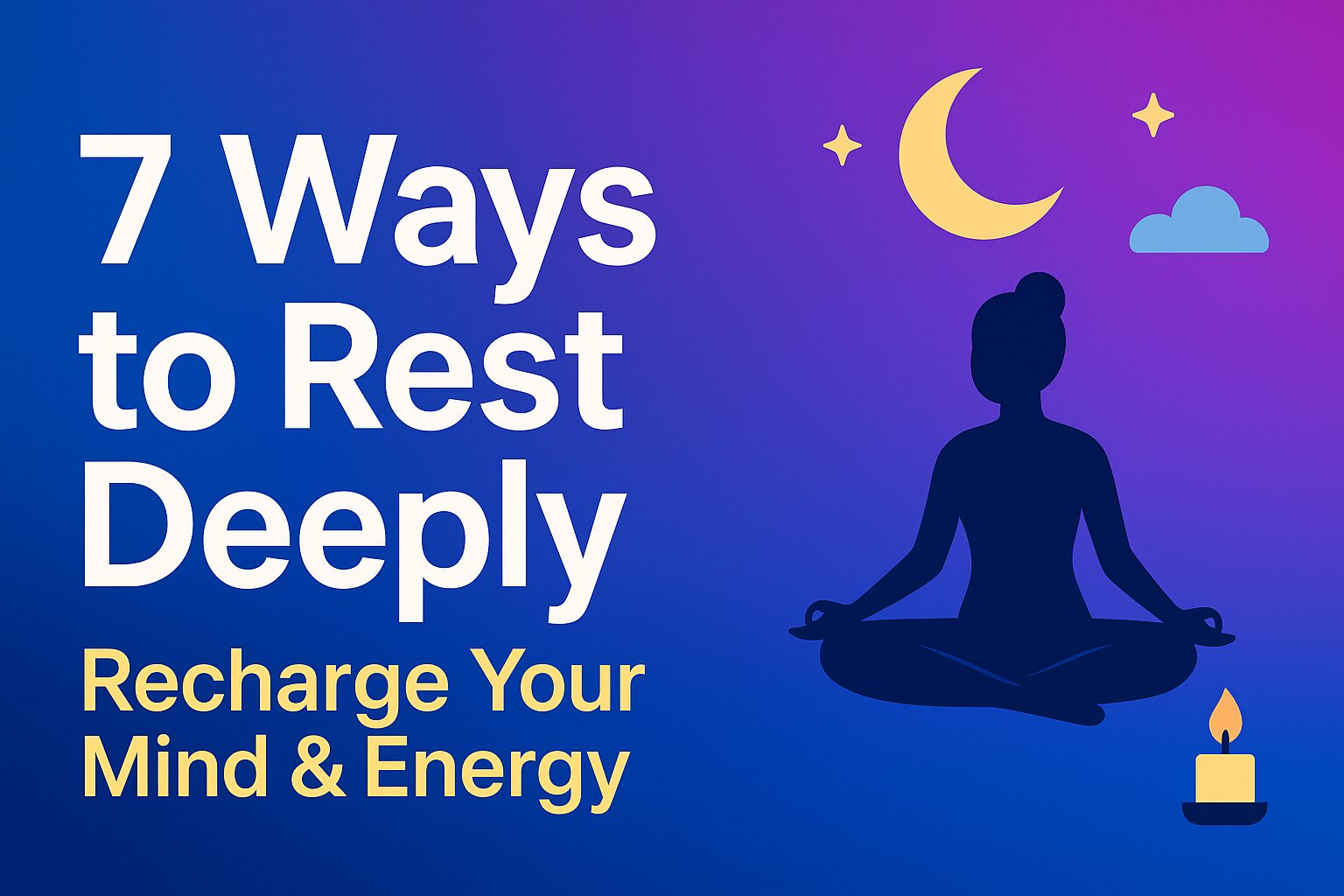
You might think a weekend nap or a long holiday can erase your exhaustion, yet the fatigue always returns. Why? Because real recovery requires more than sleep. Dr. Saundra Dalton-Smith’s research reveals that humans need seven distinct types of rest—physical, mental, emotional, social, sensory, creative, and spiritual. When one is missing, no amount of sleep can make you feel restored. This article breaks down each type of rest, explains how to identify your biggest deficit, and offers practical ways to recharge your energy fully. By the end, you’ll know how to rest deeply, not just sleep longer.
Physical rest is the most obvious yet often misunderstood type. It includes both passive rest—like sleep or naps—and active rest, such as stretching, yoga, or light walking. The body doesn’t recover just by lying still; movement helps release tension and improves circulation. If your muscles feel tight or you wake up tired, add short “micro-breaks” during the day. Stand, stretch, breathe deeply for one minute every hour. Physical rest isn’t laziness; it’s the foundation of consistent performance.
Mental fatigue appears when your mind never shuts off—when you’re solving problems even in bed. To restore mental energy, create “no-thinking zones.” Write down intrusive thoughts before sleeping (a technique called brain dump) or practice short mindfulness sessions. Avoid switching between tasks every few minutes. Give your brain one lane at a time. The aim isn’t to stop thinking completely, but to allow mental stillness long enough for clarity to return.
Emotional rest happens when you feel free to express what you truly think and feel without judgment. In many workplaces, people wear emotional armor—always fine, always composed. Over time, that suppression turns into fatigue. To recover, share honestly with someone you trust or a counselor. Allow yourself to say, “I’m not okay.” Being heard often heals more than advice ever can.
Social rest means spending time with people who uplift you instead of draining you. If every conversation feels like work, you’re likely lacking this rest. Choose relationships that feel mutual, supportive, and energizing. You don’t need a crowd—one sincere friend can restore you more than ten superficial ones. Be a giver, not a constant fixer. Reciprocity builds emotional safety, the foundation of social rest.
Constant screens, bright lights, and background noise overload your senses. Sensory rest means reducing these inputs intentionally. Turn off notifications, dim your lights, or sit in quiet darkness for a few minutes daily. Even closing your eyes at your desk for 60 seconds can reset your nervous system. Those sensitive to noise or light—especially HSP individuals—benefit greatly from scheduled digital detox.
Creative rest restores your sense of wonder by connecting you to beauty—nature, art, or music. When work becomes mechanical, creativity dries up. Visit a museum, watch a play, or simply gaze at the sky. Let awe replace analysis. These moments of inspiration refill your inner energy tank. Even digital art or photography online can spark the same renewal.
Spiritual rest means feeling connected to something larger than yourself—purpose, values, or community. It’s not about religion but meaning. Volunteering, meditation, or acts of kindness help you remember you’re part of something greater. This sense of belonging dissolves isolation and fuels resilience. When your spirit rests, even challenges feel lighter.
The biggest mistake is assuming sleep fixes everything. Another is treating rest as a reward, not a necessity. Rest is maintenance, not luxury. Ignoring emotional or social fatigue while only focusing on physical rest leads to burnout. Balance all seven types, even in small daily doses.