Hydration That Works: A Simple System for Steady Energy
admin_tbl743x
The Better Life Lab
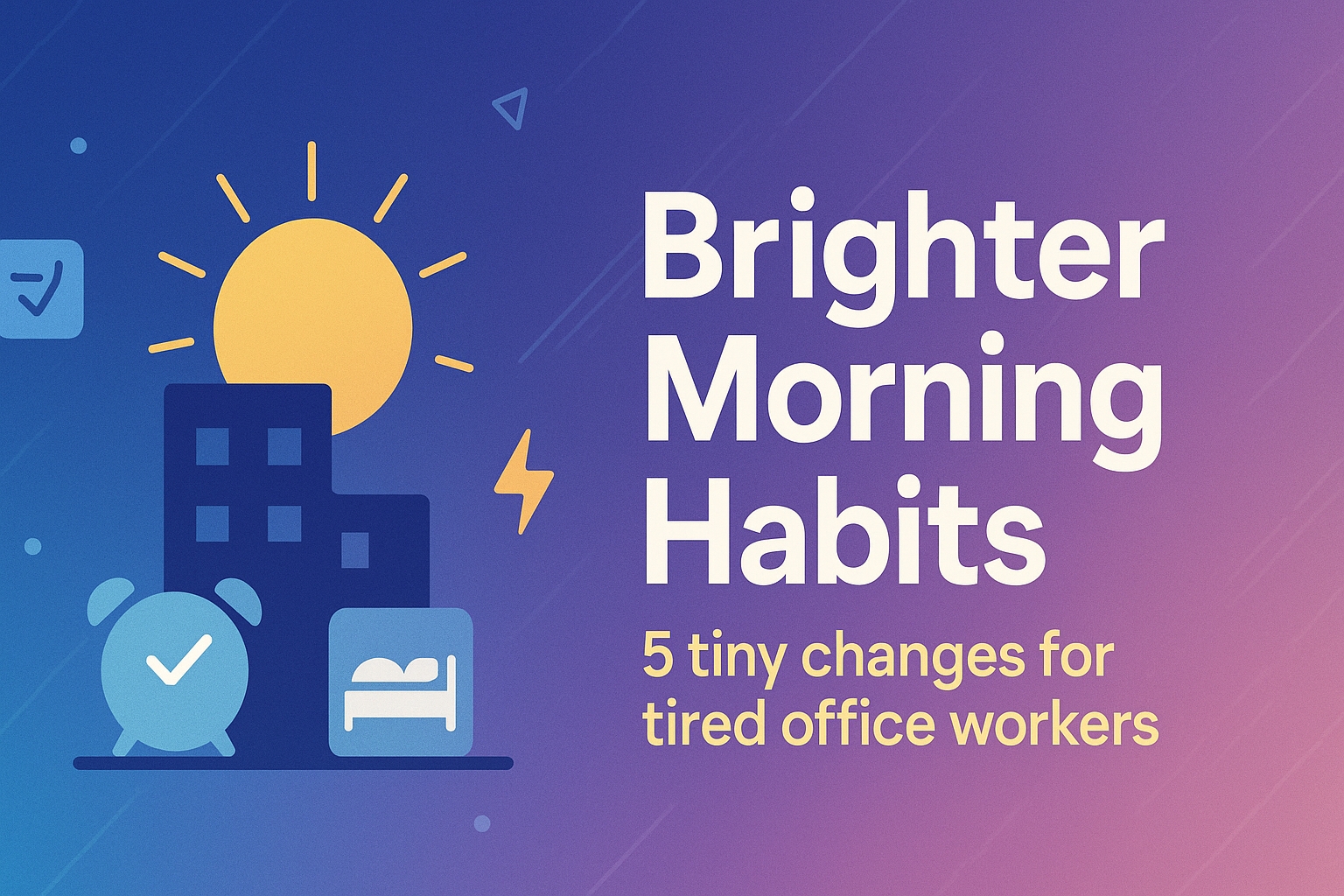
Many office workers start the day already drained. You may hit the snooze button twice, rush through the morning, and feel low energy before you even reach your desk. These patterns make mornings feel heavier than they need to be. This article offers five practical morning habits that help you create a steady and calm start, especially if you are not a “morning person.” The ideas come from real routines tested by busy professionals who struggled with motivation at the beginning of the day. In the next sections, you will learn how small actions—like adding protein, defining one key task, or creating a one-minute win—can shift your mood and mental clarity. You will also see why these habits work and how you can adapt them to demanding workdays. Use this guide to start brighter, one morning at a time.
Many office workers start the day with low energy because their body has gone eight hours without fuel. When you skip breakfast or eat only refined carbs, your energy rises fast and drops just as quickly. Protein gives you a more stable start. It supports mental alertness and reduces the sluggish feeling that often appears during early meetings. You do not need a full meal. A boiled egg, Greek yogurt, or a quick protein shake works well even on busy mornings. These simple options keep preparation time almost zero, which removes the usual barrier of “I don’t have time.” The goal is not perfection but consistency. When you give your body stable fuel early, your focus lasts longer, and your morning stress becomes easier to manage throughout the workday.
Morning stress often comes from mental overload. As soon as you wake up, you may start thinking about unfinished work, messages you need to reply to, and deadlines you cannot ignore. This mental noise drains energy before the workday even begins. Writing down one priority helps quiet the clutter. Choose only one task that would make your day feel productive even if nothing else gets done. Keep the note visible on your desk or phone. This simple step narrows your focus, reduces decision fatigue, and lifts some of the pressure you carry into the office. When your day starts with clarity instead of confusion, your mind stays steadier. You also increase the chance of completing the task because you set a clear direction early. Over time, this practice strengthens your ability to focus and manage workload without feeling overwhelmed.
Many people believe that morning improvement requires a long routine, but small wins often create the real shift. A one-minute action signals your brain that the day has started with intention. It also gives you a quick success before work demands take over. Choose something simple: five squats, three new vocabulary words, or one minute of light stretching. These small actions may seem too easy, but their psychological impact is strong. They interrupt the half-asleep state and activate your sense of agency. When you start the day with a completed action, you carry a subtle confidence into your commute and meetings. This confidence does not come from effort but from momentum. Over time, the one-minute win becomes a stable anchor that helps you stay grounded even on stressful days.
An affirmation is a short phrase you say to reinforce a helpful mindset. You may feel awkward at first, but the practice works because the brain responds to repeated language. Many office workers start the day with negative self-talk such as “I’m already tired” or “Today will be difficult.” These thoughts shape your emotional state before anything happens. A short affirmation shifts that pattern. Choose a simple line like “I can handle today,” “I start steady,” or “One step at a time.” Say it quietly while preparing for work or looking in the mirror. The goal is not to force positivity but to guide your mind toward a balanced and calm direction. Even one minute of this practice can create a small mental reset that carries into your first tasks of the day.
A messy environment creates mental friction. When you leave home with dishes in the sink or an unmade bed, part of your mind stays connected to the clutter. This background stress follows you into the office. A short three-minute reset helps break this effect. Choose one quick task: make your bed lightly, clear the sink, or wipe your desk. The point is not deep cleaning but creating a sense of order. When you return home after work, the clean space gives you a small lift instead of another stress trigger. This habit supports emotional regulation throughout the day because your living space becomes a source of stability. Even on rushed mornings, a tiny reset can make your home feel lighter and your mind more prepared for the demands of the workday.
A common mistake is trying to adopt all five habits at once. This creates pressure and makes the routine feel unsustainable. Another mistake is expecting immediate transformation. Morning habits shape your mood gradually. Some days will be smooth; others may feel off. A third mistake is using a harsh tone with yourself when you miss a day. Self-criticism reduces motivation and makes the next morning harder.