What Mentally Strong People Ignore (and Why It Works)
admin_tbl743x
The Better Life Lab
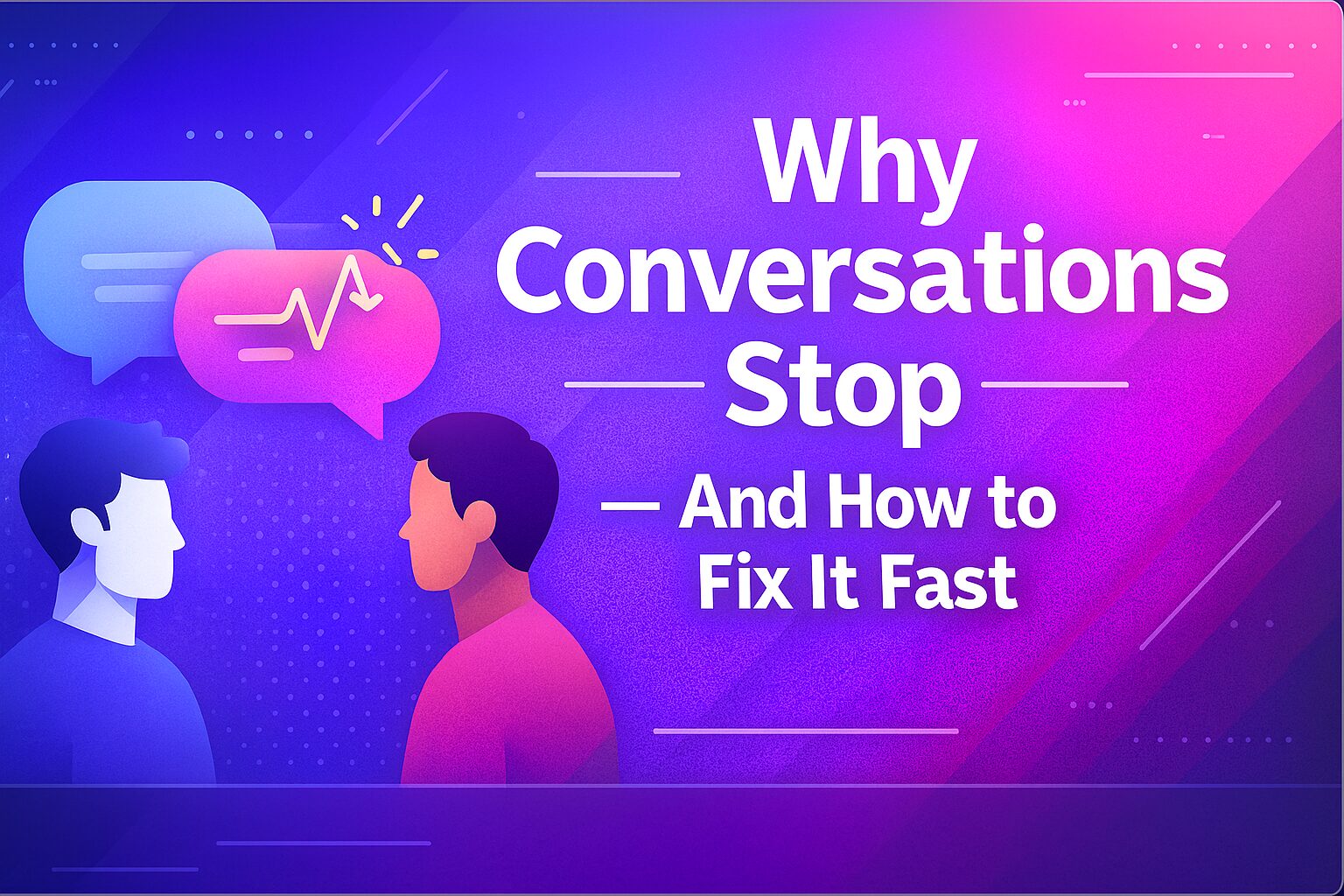
You may know how to talk, but still struggle to keep a one-on-one conversation alive. Many people face this when meeting someone new, especially in dating or casual situations. A common reason is simple: you ask questions too early, cutting off the story the other person was about to share. This article shows you how to avoid that, how to respond in a way that keeps people talking, and how to match someone’s energy so the exchange feels natural. These ideas come from real conversational patterns found in everyday interactions, including the difference between “reaction-based” and “association-based” talk. By the end, you will understand why conversations stall and how to fix them fast using clear habits you can apply today.
Many stalled conversations begin with a good intention: you try to show interest by asking a question immediately. When someone says, “I just got back from a trip,” you may answer, “Where did you go?” The problem is that the question pushes them onto your track instead of letting them follow the story they wanted to share. They shift from a natural flow to short answers like naming a place or food, and the conversation becomes a questionnaire. Instead of questioning early, try responding with a simple reaction such as “That sounds nice,” while looking at their face or mouth as they speak. This encourages them to keep going, and you give them space to reveal the part they truly wanted to talk about. With this approach, the conversation stays warm and easy.
People generally want a reaction, not a topic switch. If you tell a friend, “I’m having hamburgers tonight,” a reaction-based response would be, “Nice, that sounds good.” But some people respond with an association: “I ate hamburgers at lunch.” This is not wrong, but it shifts the focus away from you. When this pattern repeats, conversations feel disconnected. If your goal is smoother interaction, lean toward reaction-based listening. Give a short emotional response, add one related detail from your side, and only then guide the topic if needed. This helps both people feel heard. Recognizing whether you or the other person is “reaction-based” or “association-based” makes it easier to adjust and prevent misunderstandings from forming early.
Sometimes the issue is not content but rhythm. A person may speak quietly, quickly, or with excitement, and if your tone is different, the exchange feels mismatched. Matching the other person’s “conversation energy” helps create a sense of connection even when interests differ. If they speak softly, lower your voice. If they talk with enthusiasm, raise your energy slightly. This makes the interaction feel aligned and creates the experience of being “on the same wavelength.” Many people report that even when they have nothing in common with someone, matching energy alone keeps the conversation surprisingly enjoyable. It signals understanding at a nonverbal level and removes friction that might otherwise stop the flow early.
A common mistake is trying too hard to “lead” the conversation. When you push topics, over-question, or shift attention away from what the other person wants to share, the flow collapses. Another mistake is assuming the other person’s style matches yours. People vary widely in how they start, react, and pace conversations. Recognizing these gaps prevents unnecessary frustration.